A missed appointment costs a dermatology clinic twice: the empty slot itself, and the patient further down the waiting list who could have used it. Most practices accept a no-show rate as a fact of life. A no-show rate is closer to a design problem, and several of the fixes are structural rather than motivational.
Measure before you intervene
You cannot improve what you have not defined. Agree on a single formula — missed appointments divided by scheduled appointments over a period — and then break it down, because the average hides everything useful:
- By booking channel: phone, online self-booking, referral
- By lead time: booked yesterday versus booked eight weeks ago
- By slot: first morning appointment versus mid-afternoon
- By patient type: first visit versus follow-up
A few weeks of this usually points toward the biggest lever, and it is rarely the one people assume — though with four segments the early numbers are directional, so give it a quarter before drawing firm conclusions.
Shorten the gap between booking and appointment
Lead time is one of the strongest predictors of a missed appointment, alongside a patient's own history of non-attendance. Someone who books eight weeks out has more opportunity to forget, recover, or go elsewhere. Holding a portion of capacity for near-term bookings, rather than filling the calendar months ahead, often does more for attendance than adding another reminder.
Make reminders do real work
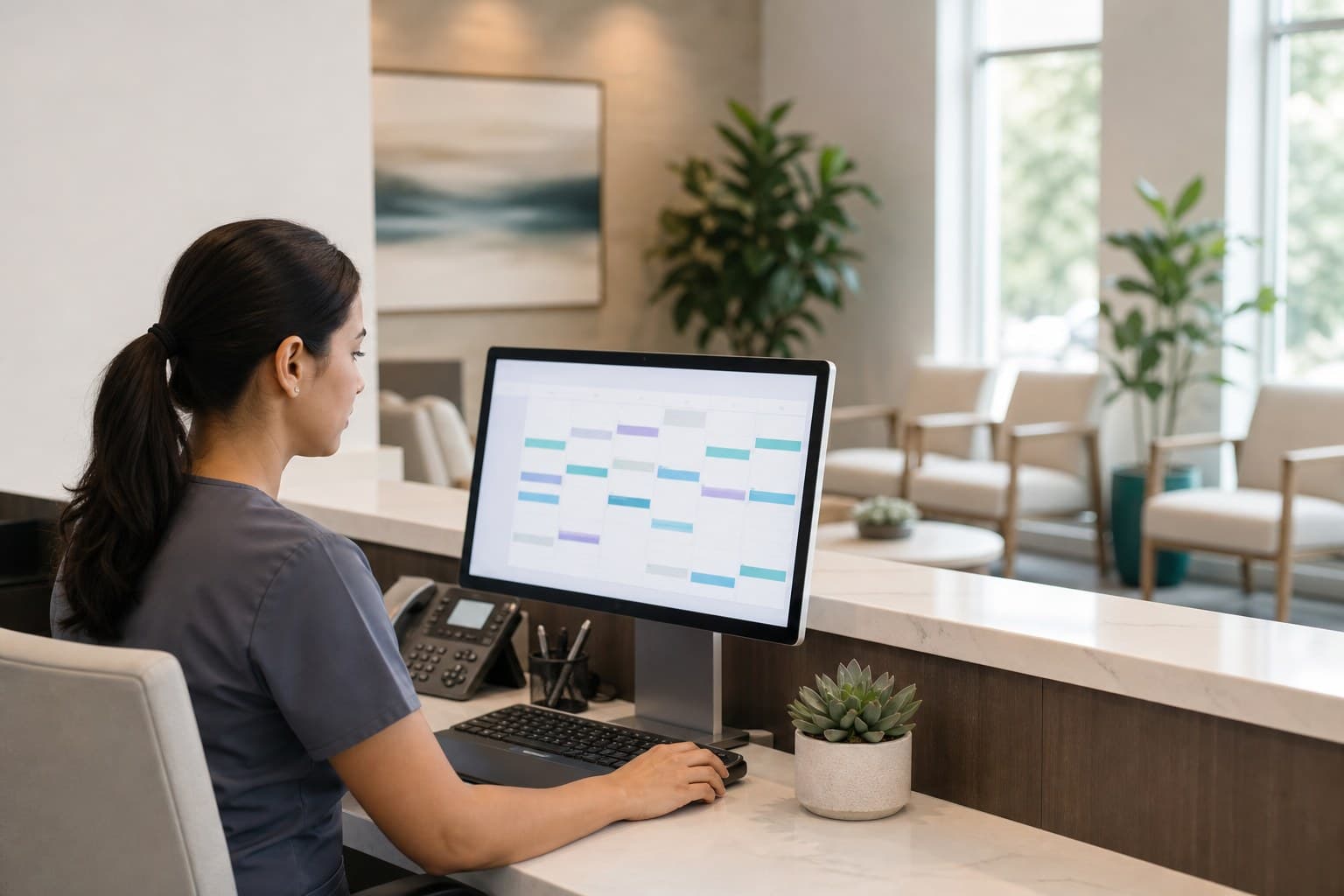
Reminders help, but only if they are actionable. A message that simply announces the appointment is a notification; one that lets the patient confirm, reschedule or release the slot in a single tap is a scheduling tool. Two touches — a few days ahead, then the day before — are usually enough, and the earlier one is what creates a useful window to refill a cancellation.
Introduce commitment at booking
Prepayment or a modest deposit is one of the most effective levers available to private clinics, because it converts an intention into a decision. If full prepayment feels too strong for your market, a deposit credited against the visit achieves most of the effect. Check local rules first: some jurisdictions restrict charging for healthcare appointments. Whatever you choose, state it plainly at the point of booking — surprise policies generate complaints, not attendance.
Make releasing a slot easy
A frictionless cancellation path improves utilisation. A patient who cannot easily cancel simply does not show, and you learn about it when they fail to arrive. A patient who can cancel in two taps at 8pm gives you the evening to refill the slot. Pair this with a waiting list that can be contacted automatically when a slot opens.
Write a policy people can follow
A workable policy is specific and consistently applied: a defined cancellation window, what happens if it is missed, and how repeated non-attendance is handled. Publish it where patients book, not only in the terms they scroll past. Consistency matters more than severity — a modest rule applied evenly outperforms a strict rule applied occasionally.
Remove the appointment where you can
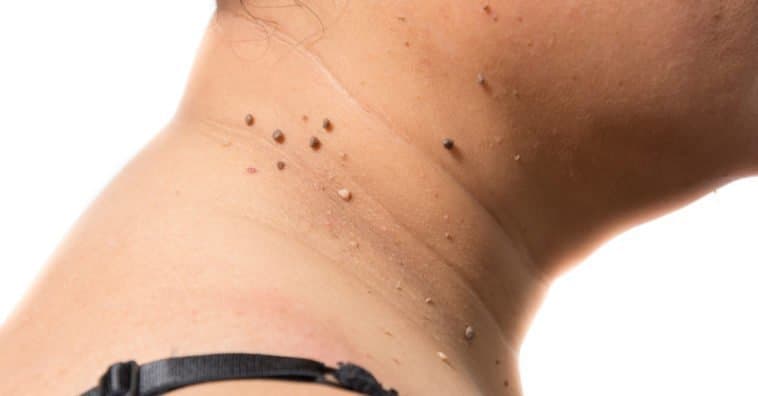
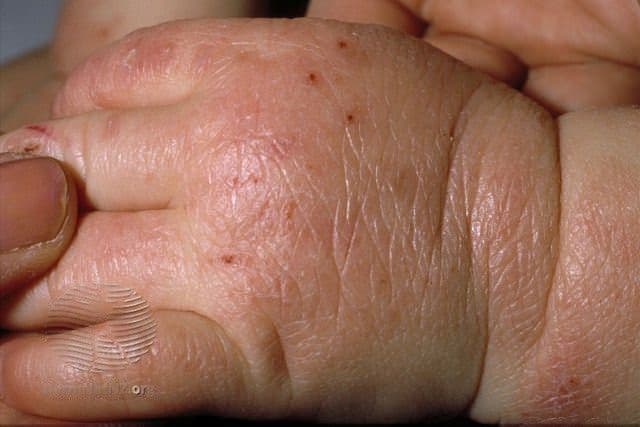
This is the lever unique to dermatology. In a store-and-forward workflow the patient submits photographs and a structured questionnaire, and the clinician reviews the case when it suits their schedule. There is no slot to miss, so no-shows do not exist for that portion of the caseload — though it has its own attrition to watch, in cases that are started but never submitted or follow-up questions that go unanswered. Because so much of dermatology is assessed visually, a meaningful share of routine cases and follow-ups can be handled this way, which leaves in-person capacity for the cases that genuinely require it. If the model is new to you, start with what teledermatology is.
Use overbooking carefully
Deliberate overbooking is a blunt instrument. It can offset predictable non-attendance in high-volume clinics, but when everyone arrives it produces long waits, and frustration for patients and staff. If you use it at all, apply it only to slot types where your own data shows a consistently high miss rate — never across the board.
Review the numbers, not the anecdotes
Change one thing at a time and re-measure after four to six weeks as a rule of thumb. Track the no-show rate itself, the share of cancellations arriving early enough to refill, and the proportion of slots ultimately used. A clinic that cuts missed appointments meaningfully has usually combined a shorter booking horizon, actionable reminders, some commitment at booking, and an asynchronous option for suitable cases.
Choosing the systems to support this is a related decision — our guide to choosing teledermatology software covers scheduling, payments and patient communication in one place — the way iDerma is built.